South Asian weddings
Mehndi, Nikkah, Pheras and Walima: a Guide to South Asian Wedding Events
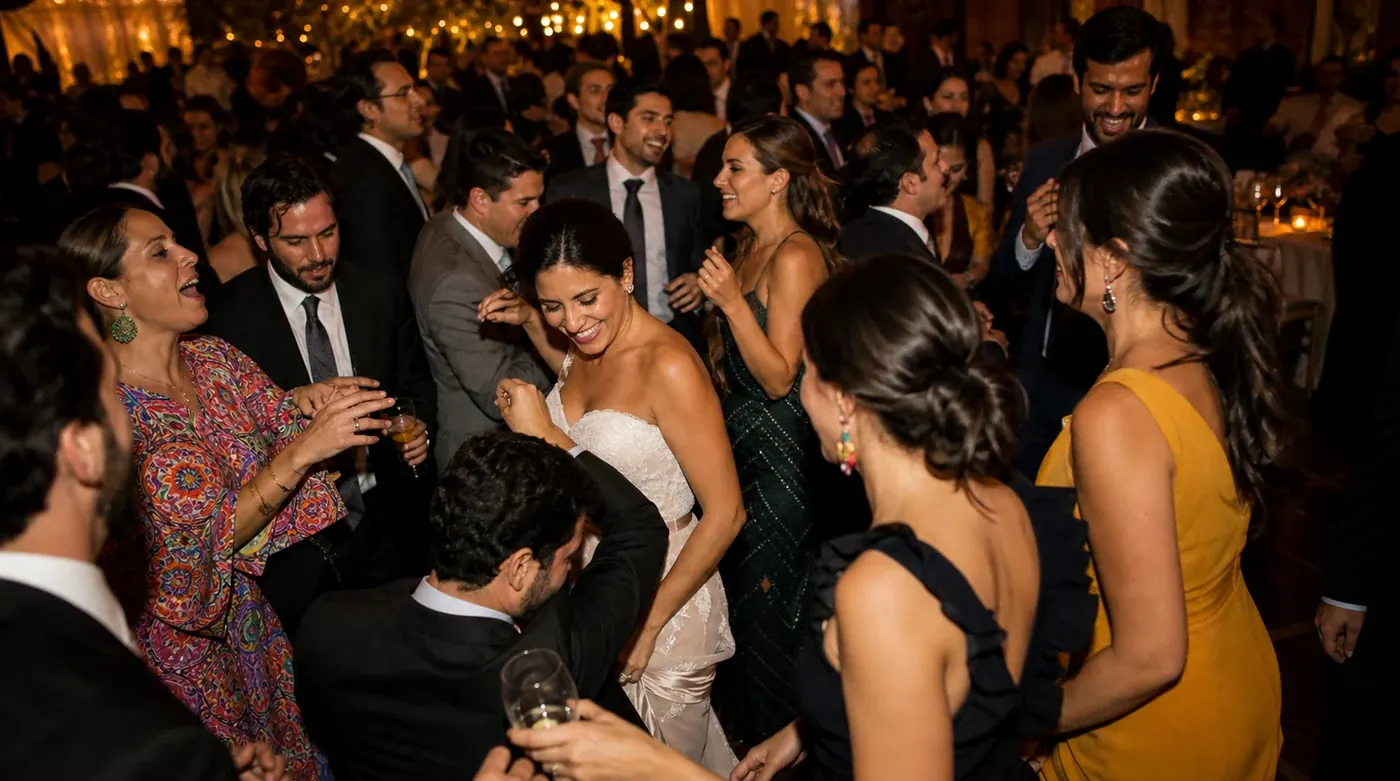
A South Asian wedding is a series of events, not a single day. Most celebrations move through three to seven functions over several days, often a mayun or haldi, a mehndi, a sangeet, the main ceremony, and a walima or reception, with the exact list shaped by region, faith, and family.
If you're new to it (or marrying into it), the number of events can look overwhelming. It isn't, really. Each one has a clear job, and once you know what they are, the whole week makes sense. Here's the run-through.
Mangni, the engagement
The mangni is the formal engagement, where the families exchange rings and sweets and the couple is announced. It can happen months ahead or as the first event of the wedding week. It sets the tone, and for many families it's the first time both sides really gather together.
Mayun and haldi
The mayun (and the haldi in Indian traditions) is an intimate at-home event where turmeric paste is applied to the bride and groom for a glow before the big days. It's usually small, joyful, and family-only, often held the morning or day before the mehndi.
Mehndi
The mehndi centers on applying henna to the bride and close family, with music, color, and informal dancing. It's one of the most visual events of the week, traditionally rich in yellows, greens, and oranges, and it's often where the celebrating really kicks off.
Sangeet
The sangeet is a music and dance night, frequently with choreographed performances by both families. Some couples merge the mehndi and sangeet into one evening, others give each its own night. Either way, this is the big, high-energy party before the ceremony.
Baraat
The baraat is the groom's procession to the wedding venue, often with music, dhol, and dancing in the street. The groom's side arrives in celebration and is welcomed by the bride's family in a milni, the formal meeting of the two families.
The ceremony: nikkah, pheras, or Anand Karaj
The main ceremony is where the marriage is solemnized, and its form follows the couple's faith. A nikkah is the Islamic marriage contract. The pheras (or saat phere) are the seven circles around the sacred fire in a Hindu ceremony. The Anand Karaj is the Sikh ceremony centered on the Guru Granth Sahib. Each carries its own rituals, readings, and timing.
Walima and reception
The walima is the reception after a Muslim wedding, traditionally hosted by the groom's family to celebrate the marriage publicly. In other traditions this is simply the reception. It's usually the largest event by headcount, and often falls a day or two after the ceremony.
A typical multi-day shape
Every family is different, but this is a common rhythm for a three to four day celebration. Names and order are yours to set.
| Day | Event | Usually |
|---|---|---|
| Thursday | Mayun and haldi | Family, at home |
| Friday | Mehndi and sangeet | Wider circle, music and color |
| Saturday | Nikkah, pheras, or Anand Karaj | The ceremony |
| Sunday | Walima or reception | The largest event |
The actual hard part: who's invited to what
Here's the thing nobody warns you about. The events aren't the hard part. The hard part is that different guests are invited to different ones. Auntie's at the mehndi and the reception, your coworkers are reception-only, the cousins are there for everything.
The cleanest fix is to put the whole celebration on one wedding website, give every event its own day and schedule, and send each guest a private link that shows only the events they're invited to. Close family see the full program, the wider list sees only their functions, and everyone replies to each event separately so your counts stay right. That's what keeps a long, multi-day week calm for you and clear for them.
Common questions
Most South Asian weddings span three to seven events across several days. A common shape includes a mayun or haldi, a mehndi, a sangeet, the main ceremony (a nikkah, pheras, or Anand Karaj), and a walima or reception. Families mix and match by region, faith, and tradition, so your list is yours to set. What stays constant is that each function often carries a different guest list, which is why per-event RSVPs on one wedding website beat a single reply for the whole celebration.
A mehndi centers on applying henna to the bride and close family, with music, color, and informal dancing in a relatively intimate setting. A sangeet is a music and dance night, often with choreographed performances by both families and a wider guest circle. Some couples combine them into one evening to save a day; others hold each on its own night so attire, catering, and headcounts stay distinct. Your RSVP form should treat them as separate events either way.
A walima is the reception hosted after a Muslim wedding, traditionally by the groom's family, to celebrate the marriage publicly and share a meal with the wider community. It usually falls a day or two after the nikkah and is often the largest event by headcount. Caterers need an accurate walima count separate from the nikkah guest list, which is why a private RSVP link that shows only the events each household is invited to keeps both numbers honest.
Rarely. Close family and the wedding party tend to receive the full multi-day program, while extended family and friends are invited to specific events such as the mehndi or the reception only. This tiered visibility is normal, not an oversight. Per-event invitations and per-guest visibility on your wedding site prevent the awkward case where someone sees a function they were never meant to attend and assumes they were forgotten.
Put every event on one OfficiallyTogether wedding website, each with its own day, venue, dress code, and running order. Give each household a private link that shows only the events they are invited to, so the schedule stays clear without leaking functions to the wrong guests. Guests then RSVP to each event separately, and you see live headcounts for the mehndi, ceremony, and reception instead of one blended total.
Your wedding, in one calm place.
Build a free site, collect RSVPs, and keep every event and memory together. No credit card.
No credit card required.